Why Quality Control Matters in PV Manufacturing
The rapid global deployment of solar photovoltaics (PV) has made solar modules one of the most widely manufactured energy technologies in the world. As demand increases, maintaining strict control over the manufacturing process becomes essential—not only to ensure product quality, but also to protect long-term performance, financial returns, and brand reputation. Given that solar modules are expected to operate reliably for 25–35 years, even small deviations during production can have significant technical and economic consequences.
This article explores long term reliability & Performance as a reason why controlling the manufacturing process for solar modules is critical.
Long-Term Reliability and Performance
Solar modules are exposed to harsh environmental conditions including UV radiation, temperature cycling, humidity, wind loads, and mechanical stress. The ability of a module to withstand these stresses depends heavily on manufacturing precision.
Critical process steps such as:
- Cell sorting and matching
- Soldering and stringing
- Lamination temperature and vacuum control
- Encapsulation curing
- Edge sealing
must be tightly monitored and controlled.
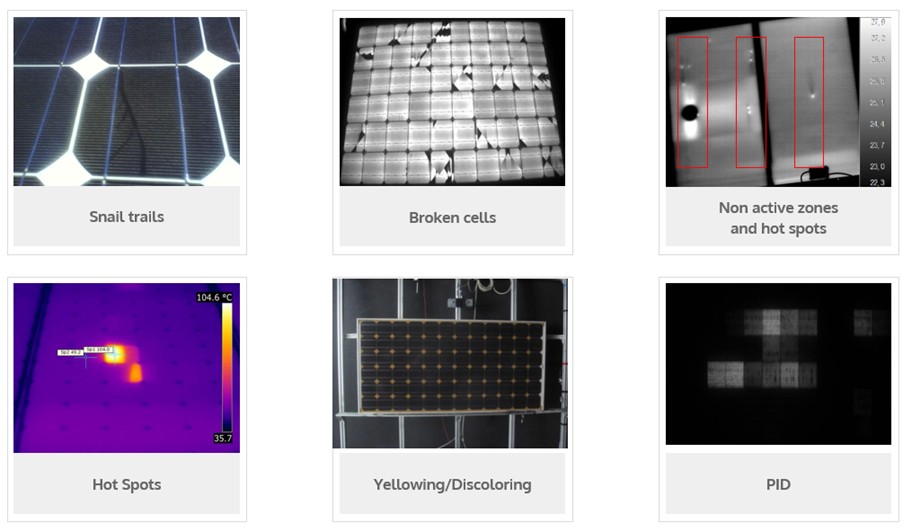
Poor process control can result in defects such as:
- Microcracks in cells
- Delamination
- Potential-Induced Degradation (PID)
- Light-Induced Degradation (LID)
- Hotspots
For example, improper lamination pressure or temperature can cause incomplete encapsulation cross-linking, leading to moisture ingress and long-term power loss. Once modules are installed in the field, remediation is costly and often impractical. Therefore, prevention during manufacturing is essential.
#CreatingABetterWorldInAChangingClimate #GreenEnco™ #PV #QualityMatters