Does Size Matter? PV Module Selection in Solar Design
In Solar Designs, Does Size Matter?
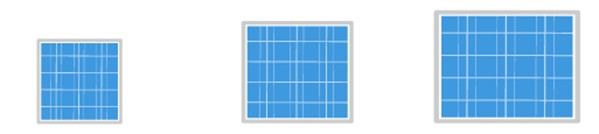
In solar project development, larger-format PV modules are often viewed as a shortcut to higher energy output and lower costs. While increased nameplate power can be attractive, larger modules do not automatically deliver better long-term plant performance.
Module efficiency is a critical factor, as higher-efficiency modules generate more energy per square metre, often achieving superior results with fewer layout, structural and electrical compromises. Effective PV system design must carefully balance module size, efficiency and site-specific constraints through robust solar design optimisation practices.
Layout & Land-Use Considerations
From a layout perspective, oversized modules can reduce flexibility in PV plant layouts, particularly on sites with irregular boundaries, variable terrain or environmental restrictions.
Larger module dimensions may require increased row spacing to manage inter-row shading, which can limit land-use efficiency. Detailed energy yield simulation, supported by PV simulation and modelling, is essential to understand how module size, tilt angles and row spacing interact to influence annual generation.
Accurate shading analysis for solar helps identify scenarios where larger modules introduce losses that offset their nominal power gains.
Electrical Configuration Optimisation
Electrical configuration optimisation is equally important. Larger modules can constrain string sizing options, reduce inverter loading flexibility and increase the likelihood of voltage limits being reached sooner, particularly in colder operating conditions.
Without careful performance modelling and simulation, these constraints can lead to higher mismatch losses and reduced system availability.
Bifacial Module Optimisation
When bifacial module optimisation is considered, module efficiency becomes even more significant. Higher-efficiency modules often convert reflected light more effectively, but only when layout, ground conditions and spacing are optimised to support bifacial gains.
Simply increasing module size does not guarantee improved performance without the right design context.
Data-Driven Design for Long-Term Performance
Ultimately, plant performance optimisation relies on data-driven analysis rather than assumptions. By engaging experienced solar engineering services early in the project lifecycle, developers can select the optimal module technology and achieve construction-ready PV design that supports reliable generation, reduced risk and long-term LCOE reduction strategies.