Safety Precautions During I-V Curve Testing
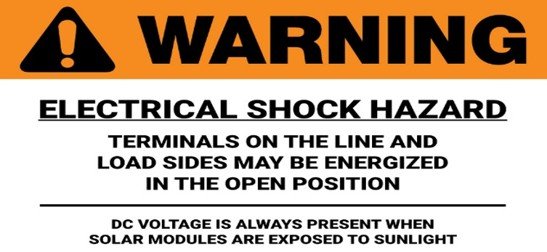
I-V curve testing is one of the most reliable ways to check the performance of a solar PV system. It helps identify issues like low output, shading, mismatch, or faulty connections. However, one important thing to always remember is that solar panels generate electricity whenever there is sunlight. This means the system is always live, and proper safety measures are essential.
Understanding the Risk Before You Start
Before starting any test, it's important to understand that you are working with high DC voltage. Even a single string can produce dangerous voltage levels. So, this is not just a routine task—it requires attention and awareness.
Only trained or knowledgeable personnel should perform I-V curve testing. Knowing the system layout, voltage levels, and equipment operation helps prevent mistakes and keeps you safe.
Always Wear Proper Safety Gear (PPE)
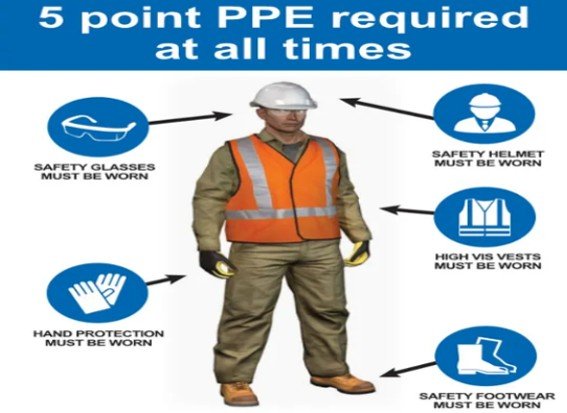
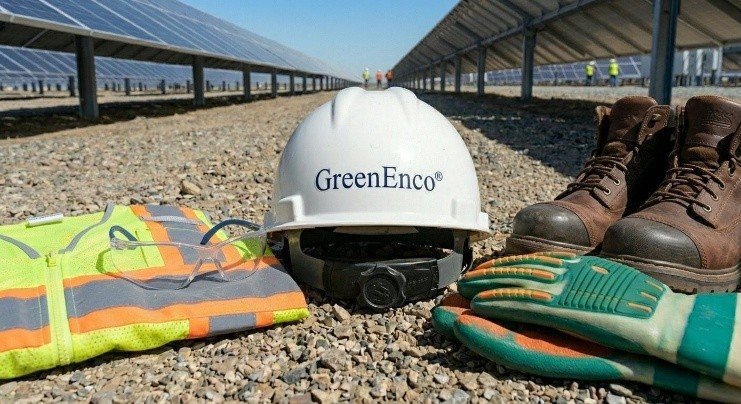
Think of PPE as your first layer of protection. Always wear:
- Insulated gloves
- Safety shoes
- Helmet
- Protective glasses
- High-Visibility (Hi-Vis) Jacket
Since solar panels cannot be switched off during the day, PPE helps protect you from electric shock and accidental contact.
Check Your Equipment Carefully
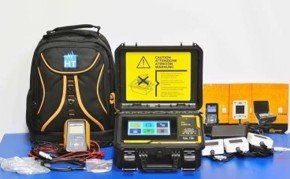
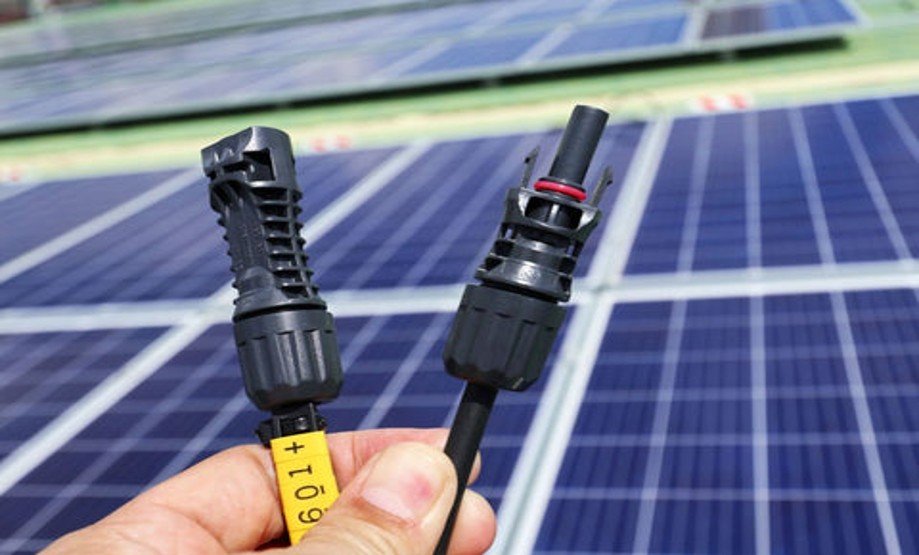
Before starting, inspect your I-V curve tracer, cables, and connectors. Make sure:
- No wires are damaged
- Connections are tight
- Equipment is properly rated
Using faulty or damaged tools can be dangerous and may also give incorrect test results.
Disconnect Before You Test
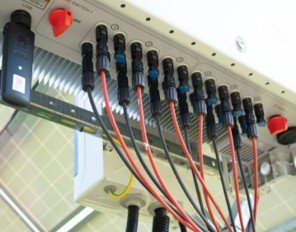
Always disconnect the solar string from the inverter before testing. This prevents unwanted power flow.
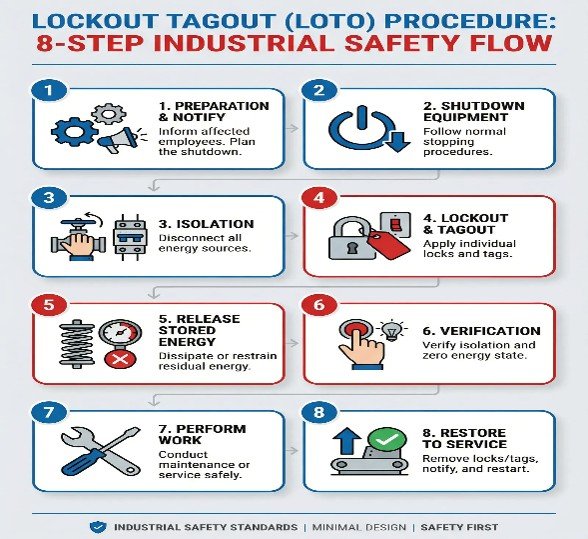
If possible, follow lockout-tagout (LOTO)—this simply ensures that no one accidentally turns the system on while you are working.
Double-Check Polarity
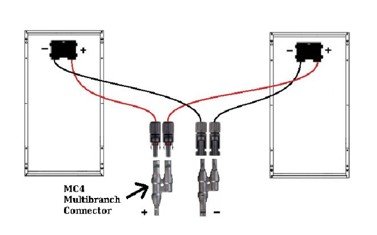
Before connecting the tester:
- Check positive (+) and negative (–) terminals
- Ensure correct connections
Wrong polarity can damage your device and create serious safety risks. Always double-check before starting.
Be Careful of Weather and Temperature
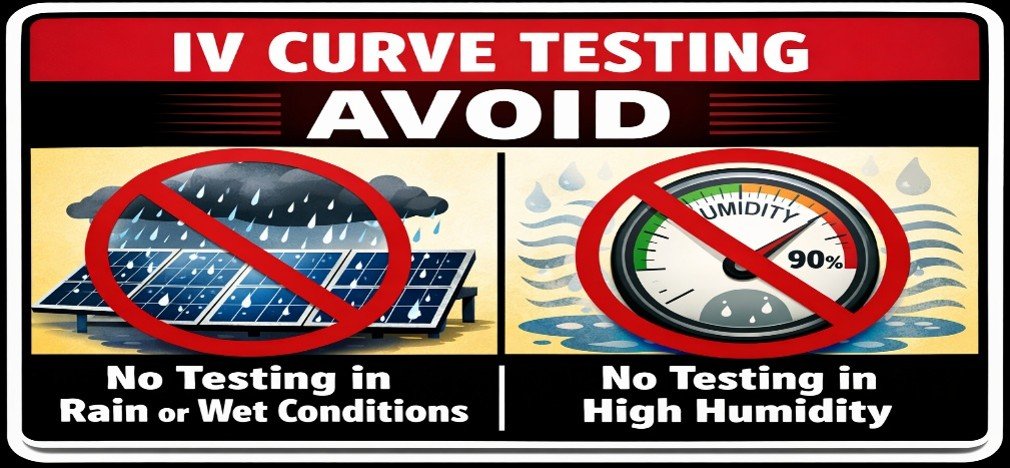
Avoid testing in:
- Rain or wet conditions
- High humidity
Water increases the risk of electric shock. Also, solar panels can get very hot under sunlight, so avoid direct contact to prevent burns.
Maintain Safe Distance and Stay Alert
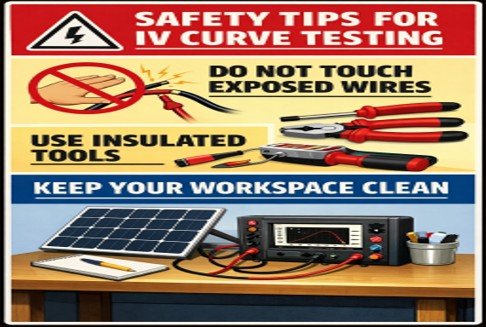
While testing:
- Do not touch exposed wires
- Use insulated tools
- Keep your workspace clean
Also, keep watching the equipment. If you notice overheating, unusual noise, or strange readings, stop immediately and check the issue.
After Testing: Restore Safely
Once the test is complete:
- Disconnect the testing device carefully
- Reconnect everything properly
- Ensure all connections are tight before restarting
This step is important to avoid future faults or loose connections.
Conclusion
I-V curve testing is a powerful and necessary tool for solar system analysis, but it must be done safely. The key is simple: be careful, follow the process, use proper safety gear, and never rush.
When you respect the risks and follow these basic steps, you can perform testing confidently, safely, and effectively.